
"elliptical kettle"
5600 article(s) found
Various utensils and principles for making a good cup of coffee
■ Belgian kettle / balanced Balancing Syphon: the Belgian kettle is the same as the siphon kettle. It also uses the thermosyphon principle to extract coffee. At the same time, it also skillfully uses the lever principle. The kettle body is divided into two parts, we temporarily call the heating kettle and the extraction kettle. Pour the ground coffee powder (thick and thick as the siphon kettle) into the extraction kettle and heat it with an alcohol lamp.
How to improve the shortcomings of the kettle? what kind of coffee beans is the kettle suitable for? The correct use of the pressure kettle
Professional coffee knowledge exchange more coffee bean information Please follow the coffee workshop (Wechat official account cafe_style) tips written in the front: French press can also use coffee filter paper coffee liquid leached from the kettle has a lot of suspended matter, if you want to reduce residue precipitation, you can actually add a piece of filter paper under the filter, after filtration, you will find that a lot of residue is intercepted on the filter paper.

What are the characteristics and principles of the French kettle? which is the better story of the mocha pot, the mocha kettle or the siphon kettle?
For information, please pay attention to the history of the coffee workshop (official Wechat account cafe_style), also known as French filter pot, tea maker, French Press French filter pot: a simple brewing appliance made of heat-resistant glass bottle (or transparent plastic) and metal filter with pressure rod, which originated in France around 1850. At first, it was mostly used to brew black tea, so there were also some people

How does the International Evaluation Center view coffee, soy beans and mother beans?
How does the International Evaluation Center view coffee beans (round beans) are classified as defective beans in botanical theory, for several reasons: first, coffee beans suffer from diseases and insect pests before they bear fruit. it may also be caused by coffee trees suffering from prolonged drought or malnutrition. In addition, coffee beans at the end of the branch also have a higher chance of forming round beans, mainly perhaps.
How does the French pressure coffee pot extract coffee? How to use the French kettle? The usage of the pressure kettle
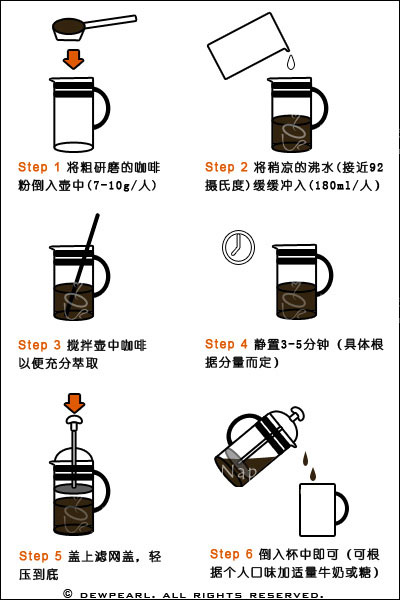
Since its birth, coffee has developed from a single variety to all kinds of coffee in coffee shops. In order to make more and more colorful coffee, we have to use a lot of coffee tools. Next, the Fulaigao coffee expert will introduce the common coffee pressing pot. The French press, also known as the filter kettle or tea maker, was produced in 1850.
How to use the pressure kettle to make coffee
Use step 1. Warm the filter kettle and coffee cup with hot water. two。 Pull out the filter group of the filter kettle. Pour out the water from the filter kettle and put about 20 grams of coffee powder in the kettle. 3. Put the filter kettle at an oblique angle of 45 degrees, slowly pour in the hot water of 200ml, about 95 degrees, and let stand for 34 minutes. 4. Stir the coffee powder with a bamboo stick to float the coffee oil to the top. 5. Put on the filter

Method pressure kettle grinding degree water temperature soaking time parameters tutorial method can pressure kettle be used to make milk foam?
The French kettle originated in France in the 19th century. Although the exact date of appearance is not clear, in 1852, the Frenchman Mayer and Delforge founded Smith, applied for a patent for piston filter coffee utensils, and named the product "French Press", which marked the emergence of the commercialization of French pots. The simple and convenient design of the pressure kettle refers to the method.

Figure out how to distinguish between coffee beans and soybeans.
Before we talk about the mystery of the sex of male beans and female beans, let's first know a few things. First of all, the coffee tree itself is not divided into male and female trees. In fact, coffee flower is a plant with both male and female organs, belonging to the family Rubiaceae. The coffee bean itself is the core seed of the coffee fruit before it is roasted. When it falls into the soil, it can grow on its own, even if there is only one tree.

Introduction of Chemex Yazhi kettle, Philharmonic pressure, siphon kettle, French pressure kettle and V60 brewing method
Professional barista communication please follow the coffee workshop (Wechat official account cafe_style) Chemex Yazhi pot 46g coffee, coarse grinding 710g water (90 degrees) brewing time: 4 minutes 30 seconds-5 minutes brewing process: rinse filter paper thoroughly with hot water. Pour out the flushing water. Pour in the ground coffee powder and gently shake to smooth the flour. Steam with about 80 grams of water and soak evenly.

Introduction of Colombian Coffee Bean Brand Flavor description Grinding Calibration method
Colombian Coffee Bean Brand Flavor description Grinding scale processing area introduction Colombian coffee has a silky taste. Colombian coffee is equated with high quality and good taste. It is sweet in acid, low in bitterness, rich in nutrition, with a unique sour and mellow taste, and the sour, bitter and sweet flavors of Colombian super coffee match well. Alone

The correct use of French pressure kettle for extracting coffee
French pressure pot, also known as French filter kettle, is also known as tea maker in China, because many French pressure pots are used to brew black tea, so people in China generally like to call it a tea maker. In fact, any single product of coffee is suitable for French filter pots. Soaking the extracted coffee with hot water close to 100 degrees can completely extract the original flavor of coffee beans, which is very convenient.

Which is better, hario or iwaki? Comparison between Iwaki Curling Kettle and Hario Ice Brewing extraction Kettle
Professional coffee knowledge exchange more coffee bean information please follow the coffee workshop (Wechat official account cafe_style) Iwaki ice drop kettle hario ice brew extract pot brewing Nepal Kaski iced coffee ice drop coffee and ice brewed coffee are often confused, many people will confuse ice brewed coffee with ice drop coffee, and some people call iced coffee iced coffee after hot coffee

Introduction of coffee beans from Colombian coffee producing countries that mainly grow small grains of coffee
Species Morphology Colombian Coffee Plant Morphology Colombian Coffee Plant Morphology (10) the varieties of Colombian coffee are mainly small grain coffee. Plants are small trees or large shrubs, 5-8 m tall, usually much branched at base; old branches gray-white, nodes dilated, young branches glabrous, compressed. Leaves thinly leathery, ovate-lanceolate or lanceolate, 6-14 cm long, 3.5-5 cm wide, tip long

The characteristics of the kettle the advantages of the kettle
Professional coffee knowledge exchange more coffee bean information Please pay attention to the coffee workshop (Wechat official account cafe_style) the best way to brew the French kettle is usually considered to be the French kettle, which allows the coffee powder to soak directly in hot water. Without filter paper to remove the volatile oil from coffee, the French press allows coffee connoisseurs to enjoy the best quality of all high-quality coffee, including its body and fragrance.

The skill of removing dregs from the kettle makes the kettle as clean as the hand.
The coffee grounds in the French kettle are gone without a trace. 1. The reason why there are coffee grounds in the French kettle: when making coffee in the French kettle, there will be some coffee grounds more or less, even if there is no granular coffee grounds, the fine coffee grounds will make the coffee coffee turbid. The sediment like fine mud can usually be seen at the bottom of the coffee pot after drinking it. The reason for these coffee grounds is that coffee

Origin Culture and species Morphology of Colombian Coffee
The earliest records of coffee cultivation in Colombia appear in a book called The Illustrated Orinoca by Spanish missionary Jose Gumilla. He describes what he saw when he preached on both sides of the Meta River in 1730, in which he mentioned the local coffee plantation. By 1787, other missionaries had spread coffee to other parts of Colombia.

The difference between the French pressure kettle, the siphon kettle and the hand pressure kettle how to use the pressure kettle?
Professional coffee knowledge exchange more coffee bean information Please follow the coffee workshop (Wechat official account cafe_style) hand-made coffee can be said to be a process of art, philosophy, practice and self-discovery. Friends who are serious about coffee and pay attention to coffee, I believe they all have this experience: the taste of coffee brewed every day will be different, which link is different? So every time it's different.
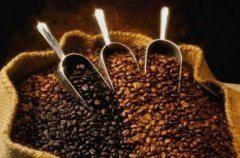
Coffee beans? Cocoa beans? Systematic introduction of Coffee beans
Many people like coffee very much, so what does coffee beans look like? Are coffee beans and cocoa beans the same thing? The coffee beans can be traced back to millions of years ago, in fact, the real age when it was discovered can no longer be tested. It is only said that coffee is a man named Ko in the Ethiopian highlands.
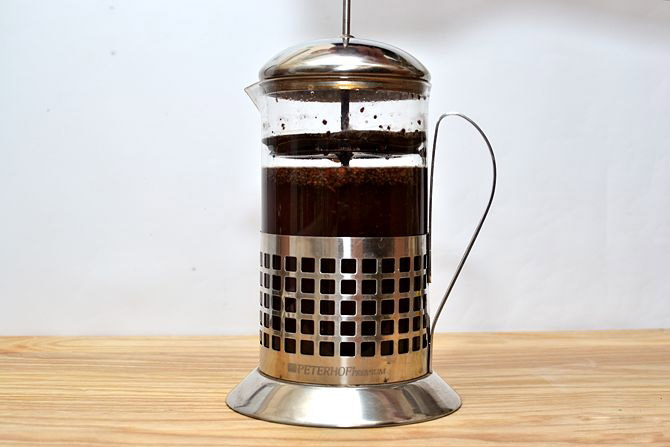
Jiaxiang Xiaobai classroom? who invented the French kettle?
Guide to Jiaxiang: what method do you use to get rid of the pesky dregs of the French kettle? I have a simple method here. I don't know if you have already used it. From the beginning, the French have been more enthusiastic about how to make coffee than any other country, William Harrison Ukers in his book all about Coffee, published in 1922

How to brew coffee powder in a French kettle? how to make a good coffee?
Professional coffee knowledge exchange more coffee bean information please follow the coffee workshop (Wechat official account cafe_style) this issue we will introduce the French pressure pot coffee brewing method. French pressure kettle, also known as French filter kettle, tea maker. A simple brewer consisting of a heat-resistant glass bottle (or transparent plastic) and a metal filter with a pressure rod, which originated in France around 1850.